
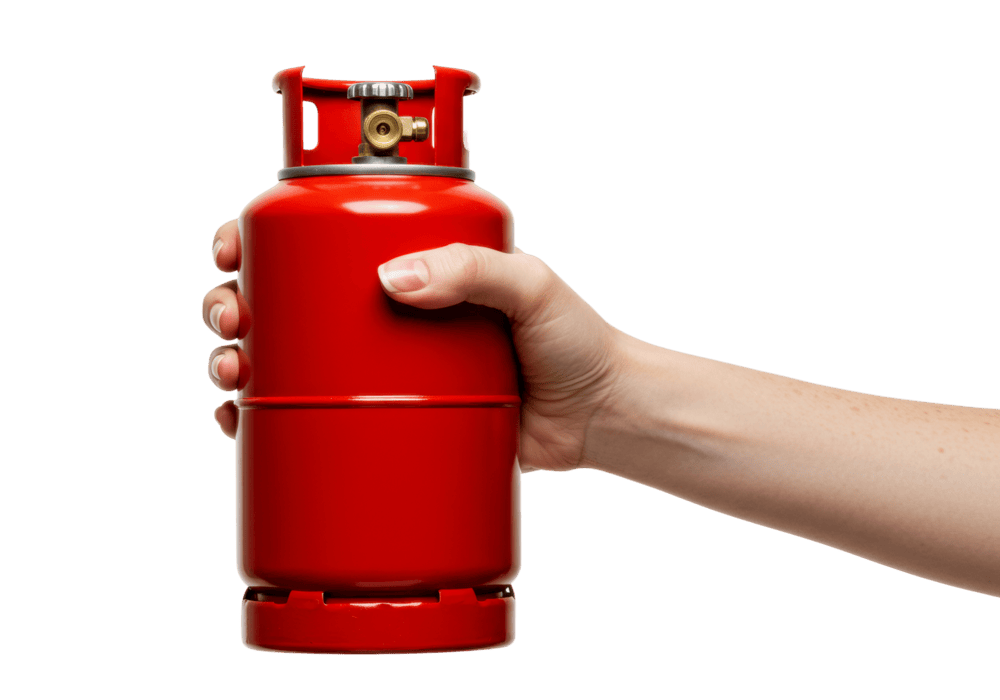
Gas cylinders are widely used in homes, restaurants, commercial kitchens, workshops, and other properties where LPG or other compressed gases are required. When properly stored, maintained, and used according to applicable requirements, gas cylinders can serve an important practical purpose. However, poor storage, damaged equipment, leaks, heat exposure, or unsuitable installations can create serious fire and safety risks.
For homeowners and businesses in Pakistan, gas cylinder safety should be considered part of a broader fire-prevention strategy. A safe property needs more than a cylinder that appears to be in good condition. It also needs appropriate ventilation, suitable equipment, responsible storage, regular inspection, occupant awareness, and effective emergency planning.
The Pakistan Engineering Council’s Building Code of Pakistan – Fire Safety Provisions 2016 covers fire prevention, life safety, fire protection, hazardous materials, and the installation, maintenance, testing, and inspection of fire-protection systems within its scope. The Pakistan Engineering Council also lists the Fire Safety Provisions 2016 among its established building codes and standards.
The Oil and Gas Regulatory Authority (OGRA) also maintains information concerning LPG safety, authorized equipment manufacturers, LPG storage and filling plants, and safety-awareness activities.
Understanding the basics can help property owners recognize risks before they become emergencies.
1. Why Gas Cylinder Safety Matters
Gas itself may not always be visible, which can make a developing problem difficult to recognize immediately.
A damaged cylinder, defective connection, unsuitable storage location, or other equipment problem can create conditions that require urgent attention.
The risks associated with gas installations can include:
- Fire
- Explosion
- Burns
- Smoke
- Property damage
- Loss of essential services
- Serious injury
This is why gas-cylinder safety should begin before an emergency occurs.
Prevention is generally easier than responding to an uncontrolled incident.
Homeowners should therefore make gas-cylinder safety part of their normal household fire-safety routine.
2. Use Appropriate and Approved Equipment
Gas cylinders should be used with equipment that is suitable for the particular gas and application.
This can include the cylinder itself, regulators, valves, hoses, connectors, appliances, and other associated components.
Using unsuitable or damaged equipment can increase risk.
Consumers should obtain gas equipment through legitimate and appropriate sources and follow the manufacturer’s instructions.
OGRA publishes information concerning authorized manufacturers of LPG equipment and licensing related to LPG facilities.
For commercial or complex installations, professional assessment is particularly important.
3. Inspect Cylinders and Related Equipment
A cylinder should not simply be judged by whether it appears to contain gas.
Its physical condition and associated equipment also matter.
Property owners should look for obvious signs such as:
- Significant physical damage
- Corrosion
- Damaged valves
- Damaged hoses
- Deteriorated connections
- Unusual smells
- Signs of leakage
- Equipment that does not appear to match the installation
People should not attempt to repair damaged gas equipment themselves.
If there is a concern about a cylinder, valve, regulator, hose, or appliance, an appropriately qualified professional or the relevant gas supplier should be contacted.
Regular inspection is particularly important for businesses where gas equipment may operate frequently.
4. Keep Cylinders Away From Excessive Heat
Gas cylinders should be kept away from sources of excessive heat and ignition.
A suitable installation should consider the surrounding environment rather than placing a cylinder wherever space happens to be available.
Potential sources of concern can include:
- Open flames
- Hot equipment
- High-temperature surfaces
- Electrical hazards
- Direct exposure to excessive heat
- Other ignition sources
The exact storage and installation requirements depend on the cylinder type, gas, quantity, building, and applicable regulations.
For this reason, commercial and larger installations should be assessed by appropriately qualified professionals.
5. Ventilation Is an Important Safety Consideration
Gas-related incidents can become more dangerous when gases accumulate in enclosed or poorly ventilated spaces.
Adequate ventilation is therefore an important consideration when designing or assessing gas installations.
A room containing gas equipment should not simply be evaluated based on convenience.
The design should account for:
- The type of gas
- Equipment arrangement
- Building layout
- Ventilation
- Possible leakage
- Ignition sources
- Applicable regulations
Professional assessment is particularly important where cylinders are used indoors or in commercial environments.
The Building Code of Pakistan includes provisions addressing hazardous materials and gas-related fire-safety considerations in applicable occupancies.
6. Never Ignore the Smell of Gas
A noticeable gas smell should be treated as a potential safety warning.
People should not assume that an unusual smell will disappear by itself.
If gas is suspected, the priority should be to move people away from the potential hazard and follow the emergency instructions provided by the gas supplier, appliance manufacturer, building management, or emergency authorities.
People should avoid actions that could create an ignition source.
This includes avoiding flames and avoiding unnecessary electrical switching in the affected area.
Do not attempt to investigate a suspected leak by bringing a flame close to equipment.
A suspected gas leak is a situation where professional assistance is safer than experimentation.
7. Children Should Stay Away From Gas Cylinders
Children should not be allowed to play with cylinders, valves, regulators, hoses, or gas appliances.
They should learn simple rules:
- Do not touch the cylinder.
- Do not play near gas appliances.
- Do not pull or move hoses.
- Do not turn valves.
- Tell an adult immediately if they smell gas.
- Leave the area if an adult instructs them to evacuate.
Gas-cylinder safety education for children should focus on recognition and getting help, not on operating gas equipment.
This is particularly important in homes where cylinders are used regularly for cooking.
8. Gas Cylinders Should Not Be Treated as Ordinary Household Storage
A cylinder containing LPG or another gas is specialized equipment.
It should not be treated like a normal container that can be placed anywhere.
Storage arrangements should take account of:
- The type of gas
- Cylinder condition
- Ventilation
- Heat exposure
- Ignition sources
- Quantity
- Applicable regulations
- Access for inspection
Businesses with multiple cylinders should have formal procedures and professional assessments appropriate to their operations.
OGRA maintains licensing and regulatory information for LPG storage and filling facilities, demonstrating that LPG handling is subject to a regulated framework.
9. Keep Fire Detection Equipment Working
Gas-cylinder safety and fire detection should work together.
A gas-related incident can potentially result in fire, so early fire detection is an important part of an overall safety strategy.
Homes and businesses should maintain appropriate smoke alarms or fire detection systems according to their building and applicable requirements.
A Fire alarm system in Pakistan can include equipment such as smoke detectors, heat detectors, control panels, manual call points, sounders, and other notification devices.
The Pakistan Engineering Council defines a fire alarm system as a system consisting of components and circuits designed to monitor and announce the status of fire-alarm or supervisory devices and initiate an appropriate response.
For larger buildings, professional fire detection and alarm design can help integrate detection with the property’s wider emergency plan.
10. Gas Detection and Fire Detection Are Not the Same
An important distinction is that a smoke or fire alarm system is not automatically a gas-leak detection system.
A smoke detector is primarily intended to detect smoke.
A heat detector responds to heat conditions.
A gas detection system is designed to identify particular gases or concentrations under its specified operating conditions.
The Building Code of Pakistan 2021 includes provisions for gas detection in certain specialized occupancies, including requirements for alarms and, in specified circumstances, automatic gas shutoff arrangements.
This does not mean that every home requires the same gas-detection arrangement.
The appropriate system depends on the building, gas type, installation, occupancy, and applicable requirements.
11. Know the Difference Between Prevention and Emergency Response
Gas-cylinder safety is primarily about preventing a dangerous situation from developing.
Important preventive measures include:
- Appropriate equipment
- Correct installation
- Regular inspection
- Suitable storage
- Adequate ventilation
- Keeping ignition sources away
- Maintaining fire-safety equipment
- Educating occupants
Emergency response comes into play when something goes wrong.
People should know how to raise the alarm, evacuate, contact appropriate emergency services, and avoid putting themselves in danger.
A person without appropriate training should not attempt to repair a gas installation during an emergency.
12. Do Not Attempt DIY Repairs
Gas equipment is not an appropriate area for trial-and-error repairs.
A person may believe that tightening, replacing, modifying, or reconnecting a component is a simple job, but an incorrect repair can create additional risk.
Problems involving:
- Regulators
- Valves
- Hoses
- Connections
- Appliances
- Piping
- Cylinder fittings
should be assessed by an appropriately qualified professional.
This is especially important in commercial kitchens, restaurants, factories, workshops, and other locations where multiple appliances may be connected.
13. Restaurants Need Extra Attention to Gas Safety
Commercial kitchens can contain several potential fire hazards at the same time.
These may include:
- Gas appliances
- Cooking oils
- Electrical equipment
- Hot surfaces
- Exhaust systems
- Combustible materials
- Large numbers of occupants
Gas-cylinder safety should therefore be integrated into the restaurant’s wider fire-safety plan.
Businesses should have appropriate procedures for inspection, maintenance, emergency response, and staff training.
A professionally designed fire alarm system can provide early warning, while appropriate suppression and other fire-protection measures can address additional risks.
Flame Defender provides fire detection and suppression solutions for commercial and industrial applications, including specialized fire-protection systems.
14. Gas Cylinder Safety in Apartment Buildings
Apartment buildings present additional considerations because multiple households may occupy the same structure.
A gas-related incident in one area can potentially affect nearby occupants.
Building management should therefore consider:
- Cylinder storage arrangements
- Ventilation
- Fire detection
- Emergency exits
- Access for emergency personnel
- Resident awareness
- Maintenance responsibilities
Residents should know the building’s emergency procedures.
They should also avoid storing gas equipment in unsuitable communal areas.
Where a building has a centralized fire alarm system, residents should understand what the alarm means and how to evacuate.
15. Gas Safety and Electrical Safety Must Be Considered Together
Gas and electricity can create separate hazards, but they can also interact during an emergency.
A suspected gas leak should therefore be treated seriously.
Residents should avoid creating possible ignition sources and should follow emergency guidance rather than trying to investigate the source themselves.
Electrical installations around gas equipment should also be appropriately designed and maintained.
For commercial facilities, professional fire and electrical safety assessments can help identify hazards that may not be obvious during everyday use.
16. Keep Emergency Exits Clear
Gas-related emergencies can require rapid evacuation.
A building should therefore have clear and accessible escape routes.
Emergency exits should not be blocked by:
- Boxes
- Furniture
- Equipment
- Stock
- Waste
- Construction materials
The Building Code of Pakistan’s fire-safety provisions address means of egress and life-safety arrangements.
A working fire alarm is much more useful when occupants also have a clear way to leave the building.
17. Fire Alarm Maintenance Matters
Installing a fire alarm system is only the beginning.
The system needs appropriate testing, inspection, and maintenance.
Maintenance may involve:
- Detectors
- Control panels
- Sounders
- Manual call points
- Backup power
- Wiring
- Fault indications
- Other connected components
The Pakistan Engineering Council identifies fire detection, alarm, and suppression systems as a specialized engineering field covering installation, commissioning, and maintenance.
For commercial properties, maintenance should be documented and performed according to the system design, manufacturer requirements, and applicable standards.
18. Have a Clear Emergency Plan
Every household or business using gas equipment should have a basic emergency plan.
The plan should explain:
- How occupants will be warned
- Where they should go
- Which exits they should use
- Where people should assemble
- Who is responsible for contacting emergency services
- How vulnerable occupants will be assisted
- Who is responsible for contacting qualified gas professionals
Children should receive simple instructions appropriate to their age.
Employees should receive training appropriate to their responsibilities.
The plan should be reviewed periodically so that changes to the building or equipment do not create gaps.
19. Do Not Rely on a Fire Alarm Alone
A fire alarm system is an important safety layer, but it cannot eliminate every gas-cylinder hazard.
A complete approach may include:
Safe equipment → Proper installation → Ventilation → Inspection → Detection → Alarm → Evacuation → Emergency response
Each layer has a different purpose.
The fire alarm provides warning when its detection devices identify the conditions they are designed to monitor.
The building’s occupants then need to know how to respond.
For certain specialized environments, gas detection may provide an additional layer of protection.
The Pakistan Engineering Council’s 2021 code provisions describe gas detection systems that can provide audible and visual alarms and, in specified applications, initiate automatic gas-supply shutoff.
The exact requirements should always be determined according to the property’s circumstances and applicable code.
20. Regular Professional Inspection Can Prevent Problems
Some problems are difficult for an ordinary occupant to identify.
A professional can assess whether an installation is appropriate, whether equipment is compatible, and whether maintenance is required.
This can be particularly valuable for:
- Restaurants
- Hotels
- Factories
- Warehouses
- Hospitals
- Apartment buildings
- Large commercial kitchens
- Industrial facilities
For complex installations, safety should not depend solely on visual checks by untrained occupants.
Professional inspection can form part of a wider preventive-maintenance program.
Gas Cylinder Safety at Home
For homeowners, gas safety begins with simple habits.
Keep gas equipment in appropriate locations, follow manufacturer instructions, maintain appliances, and keep children away from cylinders and connections.
Homeowners should also ensure that smoke alarms and other fire-safety equipment are maintained.
If there is a suspected gas leak or another serious gas-related problem, occupants should prioritize getting away from danger and obtaining professional or emergency assistance rather than attempting repairs themselves.
A household fire-safety plan should include both prevention and evacuation.
Gas Cylinder Safety in Commercial Buildings
Commercial buildings may have more complicated gas arrangements.
A restaurant could have several cooking appliances. An industrial facility may use gases for processes. A hotel may have commercial kitchens and other specialized equipment.
These properties require a more structured approach.
Management should consider:
- Gas storage
- Equipment compatibility
- Ventilation
- Fire detection
- Gas detection where applicable
- Emergency exits
- Fire extinguishing equipment
- Staff training
- Preventive maintenance
- Emergency response
The appropriate system should be determined through professional assessment and applicable requirements.
The Role of a Fire Alarm System in Pakistan
A Fire alarm system in Pakistan can be an important part of a building’s overall fire-safety strategy.
Its role is to detect and communicate fire-related conditions so that occupants can receive an appropriate warning.
Depending on the system, components can include smoke detectors, heat detectors, manual call points, control panels, sounders, visual notification devices, and backup power.
Flame Defender provides fire detection and alarm solutions for residential, commercial, and industrial applications, including conventional and addressable systems.
However, a fire alarm should not be confused with a gas detector.
A fire alarm system primarily addresses fire detection and notification, while gas detection equipment is designed for particular gases and applications.
For properties where gas hazards are significant, the two systems may form separate but coordinated parts of the overall safety strategy.
A Simple Gas Cylinder Safety Checklist
Property owners can use this basic checklist as a starting point:
Equipment
- [ ] Cylinders and associated equipment are in appropriate condition.
- [ ] Damaged equipment is removed from service and professionally assessed.
- [ ] Suitable equipment is used for the installation.
- [ ] Manufacturer instructions are followed.
Location
- [ ] Cylinders are kept in an appropriate location.
- [ ] Excessive heat exposure is avoided.
- [ ] Ignition hazards are controlled.
- [ ] Ventilation is appropriate for the installation.
Fire Safety
- [ ] Smoke alarms are maintained.
- [ ] The fire alarm system is tested and maintained where installed.
- [ ] Emergency exits remain clear.
- [ ] Appropriate fire-protection equipment is available.
- [ ] Occupants know the emergency procedure.
People
- [ ] Children do not have access to gas equipment.
- [ ] Staff receive appropriate safety training.
- [ ] Residents know how to respond to a suspected emergency.
- [ ] Professional help is available for equipment problems.
What to Do When a Gas Emergency Is Suspected
A suspected gas emergency should always be taken seriously.
The priority is people, not equipment.
Occupants should move away from the suspected hazard and follow emergency instructions from the relevant gas supplier, building management, emergency services, or qualified professionals.
People should not attempt to locate a leak using a flame or undertake unqualified repairs.
If a fire has already developed, occupants should evacuate and contact the appropriate emergency services. They should not remain in an unsafe area simply to protect property or equipment.
Emergency response procedures should be established before an incident occurs.
Why Gas Safety and Fire Safety Belong Together
Gas-cylinder safety and fire safety are closely connected.
A gas-related problem can become a fire emergency, while a building fire can also create additional hazards around gas equipment.
This is why safety planning should consider the entire property.
A comprehensive approach may combine:
- Gas equipment inspection
- Safe storage
- Ventilation
- Gas detection where appropriate
- Smoke detection
- Fire alarms
- Fire extinguishing systems
- Emergency exits
- Staff training
- Preventive maintenance
- Emergency response planning
No single device can replace the others.
Gas Cylinder Safety in Pakistan
Pakistan has regulatory and engineering frameworks relevant to LPG and fire safety.
OGRA maintains LPG-related licensing, regulatory, equipment-manufacturer, and safety information. Its website also lists safety-awareness activities concerning the safe use of LPG.
The Pakistan Engineering Council lists the Building Code of Pakistan Fire Safety Provisions 2016 among its established codes and standards.
The exact requirements applicable to a particular property depend on its design, occupancy, gas installation, quantity of gas, location, and other circumstances.
Therefore, homeowners and businesses should not assume that one general arrangement is suitable for every installation.
Where a gas installation is complex or safety concerns exist, qualified professionals should assess it.
Conclusion
Gas cylinders can be useful in homes and businesses, but they need to be treated as specialized safety equipment rather than ordinary household containers.
Good gas-cylinder safety begins with appropriate equipment, suitable installation, proper ventilation, regular inspection, responsible storage, and keeping ignition sources away from gas-related hazards.
Emergency preparedness is equally important. Occupants should know how to recognize a potential problem, raise the alarm, leave the area, and obtain professional or emergency assistance.
Fire detection is another important layer. A properly designed Fire alarm system in Pakistan can provide warning when its detectors identify fire-related conditions, while specialized gas-detection systems may be appropriate for certain environments.
The most effective approach is therefore layered: prevent problems where possible, detect dangerous conditions early, alert occupants, provide clear escape routes, and ensure that qualified professionals handle technical equipment and maintenance.
For information about fire alarm installation, maintenance, and other fire-safety solutions in Pakistan, visit Flame Defender.
Frequently Asked Questions
1. Why is gas cylinder safety important?
Gas cylinders and their associated equipment can create serious fire and safety risks if they are damaged, incorrectly installed, poorly maintained, or exposed to unsuitable conditions. Safe installation, inspection, storage, and emergency planning help reduce these risks.
2. What should I do if I suspect a gas leak?
Treat the situation seriously, move people away from the suspected hazard, avoid creating ignition sources, and follow the emergency guidance provided by the relevant gas supplier, building management, or emergency authorities. Do not attempt an unqualified repair or investigate a suspected leak with a flame.
3. Can a fire alarm system detect a gas leak?
A standard smoke or fire alarm system should not automatically be assumed to detect gas. Gas detection requires equipment designed for the particular gas and application. Some specialized installations may use coordinated gas detection and alarm systems.
4. Should children be taught about gas cylinder safety?
Yes, but the lessons should be age-appropriate. Children should learn not to touch cylinders, valves, hoses, or gas appliances and should immediately tell a responsible adult if they smell gas or notice something unusual.
5. How does a fire alarm system support gas-cylinder safety?
A fire alarm system can provide an important warning if a gas-related incident results in smoke, heat, or fire conditions detected by the installed system. It is one part of a broader safety strategy and does not replace appropriate gas installation, inspection, ventilation, or specialized gas detection where required.